Oven Cleaner in Cleaners: What It Is, How It Works, and Why It Matters
Understanding Oven Cleaner in Cleaners
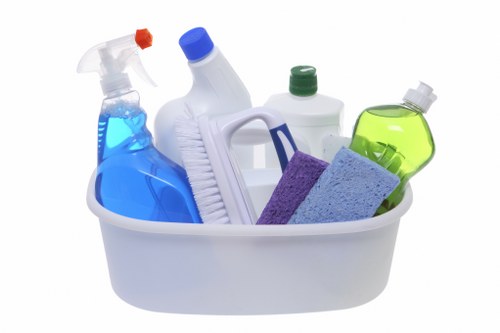
When people search for oven cleaner in cleaners, they are usually looking for a practical solution to one of the toughest household jobs: removing baked-on grease, carbonized food, smoke residue, and sticky grime from ovens and related kitchen surfaces. A quality oven cleaner is not just another spray on a cleaning shelf. It is a specialized degreasing product designed to break down stubborn deposits that regular dish soap or all-purpose cleaner cannot handle.
In the cleaning industry, oven cleaner in cleaners plays a major role because ovens accumulate a unique mix of residues from high heat and repeated cooking. These residues can cling to racks, trays, doors, and interior walls. Over time, the buildup can affect appearance, odor, and even performance. That is why professional and home cleaning routines often include an effective oven cleaner.
Oven cleaner in cleaners is especially important for cleaning businesses, housekeeping teams, janitorial services, and property managers who need dependable results. It helps restore surfaces quickly, saves labor time, and improves the overall presentation of kitchens. In homes, it supports a cleaner cooking environment and can reduce smoke and burnt smells during use.
What Makes Oven Cleaner Different from Other Cleaning Products
Unlike general-purpose sprays, oven cleaner is formulated to attack heavy grease and baked-on soil. Most oven cleaning products contain surfactants, alkaline ingredients, or solvents that loosen hardened residue. This chemistry is what gives oven cleaner in cleaners its strength and its reputation for tackling difficult kitchen messes.
All-purpose cleaners are useful for countertops, cabinets, and light spills, but they are not built for thick layers of grime. Oven cleaner in cleaners is made to handle grease that has been exposed to repeated heat, which causes it to harden and bond to surfaces. That makes the product more effective for ovens, broilers, grills, and similar equipment.
For many users, the difference becomes obvious after just one application. A product labeled as oven cleaner can soften residue that would otherwise require scrubbing, soaking, or repeated cleaning cycles. In that sense, it is a time-saving product as much as a cleaning product.
Common Types of Oven Cleaner
There are several forms of oven cleaner used in the cleaning market:
- Foaming oven cleaner for clinging to vertical surfaces and walls
- Spray oven cleaner for quick application and targeted use
- Gel oven cleaner for extended dwell time on stubborn buildup
- Eco-friendly oven cleaner for lower-odor and plant-based cleaning preferences
- Professional-grade oven cleaner for deep cleaning and high-volume commercial use
How Oven Cleaner in Cleaners Works on Grease and Baked-On Stains

The effectiveness of oven cleaner in cleaners comes from its ability to penetrate, loosen, and lift grime from the surface. Grease is made of oils and food particles that become sticky when heated. Once that residue cools and hardens, it can feel almost like a coating. Oven cleaner breaks that bond and allows the grime to be wiped away more easily.
Many formulas work best when given a little time to sit. This dwell time helps the active ingredients reach deeper into the buildup. After that, the residue becomes softer and less attached, which means less elbow grease is needed. For cleaning businesses, this can significantly improve efficiency during recurring service appointments.
Oven cleaner in cleaners is also useful because it helps reduce the need for aggressive scraping. Scraping can damage enamel, scratch glass, or wear down protective coatings. By using the right cleaner first, you can often minimize physical abrasion and protect the appliance surface.
Where Oven Cleaner Is Commonly Used
Oven cleaner is used on a variety of kitchen-related surfaces, including:
- Conventional ovens
- Self-cleaning oven interiors, when manufacturer-approved
- Oven doors and glass panels
- Racks and trays
- Broilers and toaster ovens
- Grills and some barbecue accessories
It is important to always check the care instructions for any appliance before applying oven cleaner in cleaners. Some materials, such as aluminum, painted surfaces, or specialty coatings, may react poorly to strong formulas.
Benefits of Using Oven Cleaner in Cleaners

There are several reasons oven cleaner remains a staple in the cleaning industry. First, it delivers strong degreasing power. This is one of the biggest advantages when dealing with kitchen contamination. Food splatter, oil drips, and roasted residue can accumulate fast, especially in busy homes or commercial kitchens.
Second, oven cleaner in cleaners helps improve hygiene. Built-up grease can trap crumbs, odors, and bacteria-friendly debris. While oven cleaner is not a disinfectant unless specifically labeled, removing the buildup itself supports a cleaner and more sanitary environment.
Third, it can improve the appearance of the appliance immediately. A cleaner oven looks fresher, feels better maintained, and contributes to a more organized kitchen. For restaurants, rental properties, and hospitality settings, presentation matters. A clean oven signals care and professionalism.
Fourth, oven cleaner can save time. Instead of repeated scrubbing with weak products, users can rely on a formula designed for stubborn messes. This is why many professionals prefer oven cleaner in cleaners for periodic deep cleaning tasks.
Practical Advantages for Cleaning Services
Cleaning businesses often value oven cleaner because it helps with:
- Faster turnaround on kitchen jobs
- Reduced manual scrubbing
- Better results on heavy grease
- Improved consistency across properties
- Higher client satisfaction through visibly clean appliances
Safety Considerations When Using Oven Cleaner in Cleaners
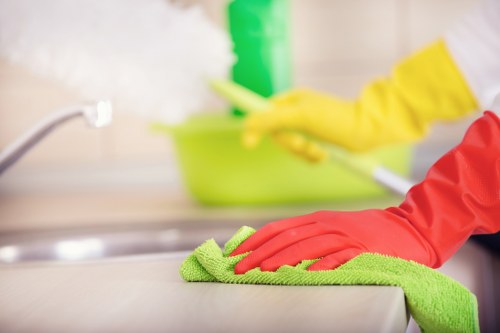
Even though oven cleaner is effective, it must be handled carefully. Many formulas are powerful and should be used in well-ventilated areas. Wearing gloves is strongly recommended, and eye protection may be wise for stronger products or heavy-duty cleaning sessions. The goal is to remove grime without exposing skin or lungs to unnecessary irritation.
Always follow label instructions. Different oven cleaner in cleaners products may require different application times, temperatures, or cleanup steps. Some are meant to be used only on cool ovens, while others may be designed for specific materials. Reading the label helps prevent damage and ensures safe results.
It is also important to keep the product away from children and pets. Store oven cleaner securely, ideally in its original container. Never mix it with bleach, ammonia, or other cleaners unless the label specifically states it is safe. Combining chemicals can create hazardous fumes or reduce cleaning effectiveness.
Safety Tips to Follow
- Use gloves to protect skin
- Ventilate the space by opening windows or using exhaust fans
- Avoid spraying near food, utensils, or open flames
- Test on a small area first when using on unfamiliar surfaces
- Rinse thoroughly after cleaning if required by the label
Important: If you are unsure whether a surface is compatible with oven cleaner, check the appliance manufacturer’s instructions or choose a milder alternative.
Choosing the Right Oven Cleaner in Cleaners for Different Needs
Not all cleaning jobs are the same, so selecting the right oven cleaner matters. Some people need a heavy-duty formula for years of buildup, while others want a lighter cleaner for regular maintenance. The best choice depends on the amount of grease, the type of surface, and how often the oven is cleaned.
For residential use, a user-friendly spray or foam may be enough for periodic cleaning. For restaurants, catering kitchens, or property turnover services, a commercial oven cleaner in cleaners product may be more suitable because it is built to handle larger, tougher jobs. If odor sensitivity is a concern, a low-fume or eco-friendly option may be preferable.
Many cleaning professionals also consider dry time, rinse requirements, and residue levels when choosing a product. A good oven cleaner should remove grime efficiently without leaving a sticky film behind. It should also match the cleaning schedule so maintenance can be completed quickly and reliably.
Factors to Compare Before Buying
- Strength: light-duty, medium-duty, or heavy-duty
- Formula type: foam, spray, gel, or liquid
- Odor level: standard, low-fume, or fragrance-free
- Surface compatibility: oven-safe materials only
- Rinse requirements: wipe-off or rinse-after-use instructions
- Environmental preference: conventional or eco-conscious formulation
For businesses, it often helps to stock more than one option. Having both a stronger oven cleaner and a lighter maintenance formula can improve flexibility across different cleaning jobs.
Best Practices for Using Oven Cleaner Effectively
To get the best results, start by removing loose crumbs and debris from the oven interior. This helps the oven cleaner in cleaners make direct contact with grease rather than wasting product on dry particles. Then apply the cleaner according to the instructions and let it sit long enough for the formula to work.
After the dwell time, wipe the surface with a damp cloth or sponge. For stubborn areas, a non-abrasive scrub pad may help. Avoid steel wool unless the manufacturer specifically allows it, because it can scratch delicate finishes. A patient, methodical approach usually produces better results than aggressive scrubbing.
If the oven has deep buildup, repeat the process rather than overusing force. Multiple controlled applications are often safer and more effective than one harsh attempt. This is especially true for glass doors, enamel interiors, and older appliances that may already show signs of wear.
Helpful Cleaning Routine
- Turn off and cool the oven completely
- Remove racks, trays, and loose debris
- Apply oven cleaner evenly
- Allow proper dwell time
- Wipe or scrub gently as needed
- Rinse or wipe clean according to label directions
- Dry the surface fully before using the oven again
Oven Cleaner in Cleaners for Homes, Rentals, and Commercial Spaces
One reason oven cleaner in cleaners is so widely used is its flexibility. In homes, it helps families keep kitchens presentable and reduces the stress of dealing with heavy cooking residue. In rental properties, it can restore an oven between tenants and make a kitchen feel refreshed. In commercial spaces, it supports a cleaner, more efficient kitchen workflow.
Each environment brings different expectations. Homeowners may focus on convenience and low odor, while landlords may want fast restoration. Restaurants and food service operations often require products that work quickly under pressure. The same product category can serve all these needs, but the right formulation makes a big difference.
For cleaners, using oven cleaner strategically can improve service quality. A well-cleaned oven does more than look good—it helps kitchens feel more controlled, more professional, and more ready for regular use. That is why oven cleaner in cleaners continues to be a trusted choice across settings.
Tip: For ongoing kitchen maintenance, combine oven cleaner with routine wiping, degreasing, and ventilation cleaning to reduce buildup before it becomes hard to remove.
Eco-Friendly and Low-Odor Oven Cleaner Options
As more people look for safer and greener products, the market for eco-friendly oven cleaner in cleaners has grown. These formulas often rely on plant-based surfactants, reduced-fume chemistry, or biodegradable ingredients. They may not always be as aggressive as industrial-strength products, but they can be a smart fit for regular household use.
Low-odor options are also popular in apartments, offices, and hospitality spaces where strong chemical smells are not ideal. Choosing a milder formula can make the cleaning experience more comfortable without sacrificing too much performance. For moderate grease buildup, these products can be more than enough.
Still, it is important to manage expectations. Eco-friendly does not automatically mean weak, and stronger does not always mean better. The right oven cleaner in cleaners depends on the job, the surface, and the level of residue. Matching the product to the task gives the best balance of effectiveness and comfort.
When a Gentler Formula Makes Sense
- Routine maintenance cleaning
- Small ovens or toaster ovens
- Light grease and fresh spills
- Spaces with odor sensitivity
- Households preferring lower-toxicity products
Frequently Overlooked Uses of Oven Cleaner in Cleaners
Many people think oven cleaner only belongs inside ovens, but it can often be useful in other greasy areas as well, depending on the product label. Some cleaning professionals use it on removable oven racks, grill grates, and certain metal drip pans. It may also be effective on some range hood parts or baking tools that have accumulated heavy carbon stains.
That said, always confirm whether the material can handle the formula. The strength that makes oven cleaner in cleaners so useful can also make it risky on delicate finishes. Compatibility is more important than convenience when you want long-term results.
If used correctly, oven cleaner can become a valuable part of a kitchen maintenance routine. It helps tackle the jobs that slow other cleaners down, and it supports a cleaner, more pleasant cooking space overall.
Surfaces That Need Caution
- Aluminum parts
- Painted surfaces
- Sealed wood near the oven
- Decorative trims
- Any non-heat-safe coating
Why Oven Cleaner in Cleaners Remains a Smart Choice
Despite the growing number of specialty kitchen products, oven cleaner in cleaners remains a strong performer because it solves a very specific problem exceptionally well. Baked-on grease is one of the hardest household messes to remove, and oven cleaner is built for exactly that challenge. Its value comes from strength, efficiency, and consistency.
For cleaning professionals, it is a product that supports better service outcomes. For homeowners, it provides a practical way to maintain a kitchen that looks and smells better. For property managers and food service teams, it offers a reliable method for handling tough residue without excessive labor.
In short, oven cleaner is not just another item in the cleaning aisle. It is a focused solution that plays an important role in both residential and commercial cleaning routines. When used safely and correctly, it can make a major difference in how a kitchen looks and functions.
Final Thoughts on Performance and Value
If you want stronger grease removal, easier maintenance, and a more polished kitchen environment, choosing the right oven cleaner in cleaners is a practical step. The key is to match the formula to the surface and the level of buildup, then use it with care and attention to safety.
Book your service now if you want professional help maintaining a spotless oven and kitchen environment. Contact us today to keep cleaning tasks easier, faster, and more effective.