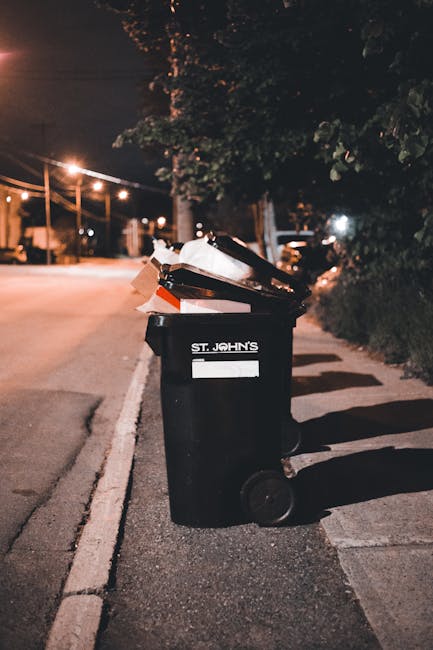
Islington Council rubbish disposal rules for cleaning companies: a practical guide for cleaner, safer waste handling
If you run a cleaning business in Islington, or you manage cleans in the borough regularly, the rubbish disposal rules can feel a bit more complicated than they first look. One job you are dealing with bagged domestic waste, the next it is builders' debris, broken fittings, or a van full of items left behind after an end of tenancy clean. So what actually counts as acceptable disposal, and what should cleaning companies do to stay on the right side of Islington Council rubbish disposal rules for cleaning companies?
This guide breaks it down in plain English. You will find the practical differences between everyday cleaning waste and bulky or controlled waste, the usual compliance risks, a step-by-step process for getting disposal right, and a few common-sense tips that make life easier on busy days. Truth be told, most problems come from muddled responsibility rather than bad intentions. A little structure goes a long way.
Why Islington Council rubbish disposal rules for cleaning companies Matters
Cleaning companies do not just tidy spaces; they create and manage waste streams. That can include general rubbish, dust and residue from deep cleaning, packaging from supplies, damaged items removed during a tenancy clean, or post-refurbishment debris. In Islington, as in the rest of London, the key issue is not simply getting rid of waste. It is disposing of it responsibly, in the right place, and in the right way.
Why does this matter so much? Because rubbish handling touches several things at once: client trust, legal compliance, staff safety, public cleanliness, and the smooth running of the job. A cleaner who leaves bags beside a street bin that is already full can cause complaints very quickly. A team that mixes sharp waste with general refuse can create a health and safety issue. And if a contractor is not clear about who is responsible for disposal, that messy little grey area can turn into a dispute fast.
For clients, the expectation is usually simple: the place should be clean and the waste should have gone. For cleaning companies, the reality is more nuanced. Not every item can go into a standard wheelie bin, and not every property has the same collection setup. That is where local council rules, good housekeeping, and good communication all come together.
If you also provide broader commercial or domestic services such as deep cleaning, end of tenancy cleaning, or after builders cleaning, waste handling becomes even more important because the volume and type of rubbish tends to jump around from job to job. One morning it is dust and wipes. By the afternoon it may be plaster fragments and packaging. That's the day the rules suddenly feel very real.
How Islington Council rubbish disposal rules for cleaning companies Works
The easiest way to think about rubbish disposal in Islington is to split it into categories. Most cleaning jobs create a blend of waste types, and each one needs a different level of care.
1. General household or office waste
Typical cleaning waste includes dust, food residue, paper towels, packaging, empty bottles, and similar non-hazardous items. This often goes into standard waste streams, provided it is handled properly and placed in the correct bins or collection systems.
2. Bulky waste
Items such as old furniture, broken appliances, mattresses, or large quantities of unwanted belongings are not normal cleaning waste. They often need separate removal and may require a licensed waste carrier or a specialist collection method. This is common on jobs linked to a house clearance or full property clean.
3. Trade-style or renovation waste
Dust sheets, plaster dust, rubble, tile fragments, packaging from materials, and broken fittings can create a more complicated disposal issue. Jobs like after builders cleaning often sit in this category. To be fair, this is where many cleaning businesses underestimate the logistics.
4. Potentially hazardous waste
This might include sharp items, chemical containers, contaminated cloths, or substances that need special handling. Most routine cleaning companies will only deal with small amounts of this kind of waste, if any, but they still need a clear procedure.
5. Recycling streams
Cardboard, certain plastics, metal packaging, and some glass can often be separated for recycling. A good cleaner or a more established cleaning company will usually have a basic recycling habit built into daily work, not as an afterthought but as part of the job.
The process itself is usually simple once roles are clear. First, identify the waste type. Then decide whether it can be removed via the client's bins, the building's collection system, or a dedicated disposal route. Finally, transport and document it appropriately if the job involves commercial quantities or controlled waste. It sounds dry on paper, but in the field it keeps the whole operation tidy and defensible.
For companies that clean homes, flats, or small offices, the practical side also depends on property access and collection timings. A team doing domestic cleaning or office cleaning may need to work around bin day, landlord instructions, estate rules, or building management policies. You do notice the difference when a job is planned properly. Less back-and-forth. Fewer awkward conversations on the pavement.
Key Benefits and Practical Advantages
Following rubbish disposal rules is not just about avoiding trouble. It genuinely improves the quality and flow of the work.
- Fewer disputes with clients because expectations are set before the clean begins.
- Cleaner handovers on end of tenancy and one-off jobs, where waste is part of the result, not an afterthought.
- Better safety for staff handling sharp or heavy items.
- Less risk of penalties or complaints from improper dumping or blocked bins.
- Stronger reputation for being organised, responsible, and professional.
- More predictable costs because waste removal is not handled ad hoc every single time.
There is also a subtler benefit: confidence. When a cleaning team knows what to do with the rubbish at the end of the job, they work faster and with less hesitation. It gives the whole operation a calmer feel. Not glamorous, sure, but very useful.
If your business already emphasises environmentally aware work, linking disposal habits to your recycling and sustainability approach makes the message stronger. Clients increasingly like seeing practical, grounded responsibility rather than vague green promises. A bin sorted properly is more convincing than a slogan, honestly.
Who This Is For and When It Makes Sense
This topic matters to a lot of people, not just one type of cleaner. Here is who usually needs to pay attention:
- Domestic cleaning teams dealing with routine household rubbish or post-event clear-up.
- End of tenancy cleaners where abandoned belongings, bags of mixed waste, or bin overflow are common.
- After builders cleaners handling dust, broken packaging, and light construction debris.
- Office cleaning providers removing day-to-day waste from shared workspaces and kitchen areas.
- Property managers and landlords who need a dependable waste-handling plan across multiple jobs.
- Independent cleaners who want to stay compliant without building a huge operational overhead.
It also makes sense for any business owner who has ever said, "I'll sort the rubbish later," and then discovered later is now. We have all seen that happen. The bags are by the door, the lift is busy, the van is waiting, and suddenly the job becomes more complicated than it needed to be.
For service lines like one-off cleaning, house cleaning, or home cleaners, the cleaner's disposal responsibilities often depend on what is written in the service agreement. For some jobs, the cleaner removes only the waste created during the clean. For others, the client expects removal of leftover clutter too. That distinction matters a lot.
Step-by-Step Guidance
If you want to keep rubbish disposal straightforward, use a repeatable process. Nothing fancy. Just consistent.
- Check the job type before arrival. Is it routine cleaning, a deep clean, an office refresh, or a clearance-style job? The waste profile changes the moment you change the job type.
- Clarify what is included. Tell the client what rubbish you will remove, what stays, and whether extra disposal costs apply. This is especially important for end of tenancy cleaning and post-works jobs.
- Separate waste as you go. Keep general waste, recyclable material, sharp items, and bulky items apart whenever possible. A few extra bags make life much easier later.
- Check building or estate rules. Some blocks have specific bin rooms, collection times, or no-dumping rules in shared areas. Do not assume the same rules apply everywhere.
- Use safe handling methods. Gloves, sealed sacks, and sensible lifting technique are basic, but they prevent most avoidable issues.
- Choose the correct disposal route. Use the client's bins only where permitted. For larger volumes, arrange proper removal rather than hoping the waste will vanish by magic. Sadly, it never does.
- Keep a record where needed. For larger or commercial waste jobs, note what was removed, where it went, and who arranged it. Even a simple internal note helps.
- Inspect the area after loading. Small debris, wipes, screws, and packaging fragments are often left behind when everyone thinks the job is done.
If you provide specialist work such as office cleaners or office cleaning, build this process into your handover routine. Offices often hide waste in kitchen cupboards, stationery areas, and under desks, so a final sweep is worth its weight in time saved.
A practical rule of thumb: if the rubbish looks unusual, heavy, sharp, dusty, wet, or chemically contaminated, slow down and classify it properly. That pause is often what keeps a small job from becoming a headache.
Expert Tips for Better Results
Here are the habits that tend to make the biggest difference in real jobs.
- Build waste questions into the booking stage. Ask whether there are leftover items, broken furniture, builders' debris, or full bins before the team arrives.
- Use the right sacks for the right waste. Thin supermarket bags are not the answer for heavy, damp, or sharp rubbish.
- Train staff on simple classification. Most mistakes happen when people cannot tell recyclable packaging from mixed waste or light rubble from ordinary rubbish.
- Keep a small kit ready. Extra sacks, a scraper, gloves, labels, and tape can save a job when the waste is awkward.
- Plan for access. Stairs, tight hallways, and lift restrictions are all easier to manage if you know about them before the bags are full.
- Price disposal separately when it is substantial. Otherwise you end up absorbing a cost that was never really part of the clean.
- Use recurring notes for regular clients. If a building always has awkward bin access or limited collection windows, write it down once and keep it there.
A small real-world observation: the best teams are rarely the loudest about disposal, but they are the ones who never seem flustered by it. The van loads cleanly, the hallway stays clear, and nobody is standing around guessing whose bag is whose. Nice and boring. Which is exactly what you want.
If you are documenting procedures across your business, it can also help to review your health and safety policy and your insurance and safety information together. Waste handling is one of those areas where paperwork and practice need to match.
Common Mistakes to Avoid
These are the mistakes that cause most of the trouble, and they are all avoidable with a little discipline.
- Assuming all rubbish can go into one bag. Not true, especially when sharp items, food waste, and rubble are mixed together.
- Leaving waste in communal areas. Staging bags in a hallway or outside a property can lead to complaints and may breach building rules.
- Skipping client confirmation. A client may think removal is included when it is not. That misunderstanding is avoidable with one clear sentence.
- Ignoring bulky items. Old chairs, broken blinds, and mattresses need a different plan from bin waste.
- Underestimating post-build waste. Dust is one thing; actual debris is another. They are not interchangeable.
- Using the wrong disposal route for commercial jobs. A busy office clear-out is not the same as a quick domestic tidy.
- Failing to train temporary staff. A single rushed helper can undo good procedures in minutes.
One awkward but common scenario: a cleaner finishes a lovely deep cleaning job, then realises the client expects ten bags of mixed waste to be taken away as well. Suddenly everyone is negotiating beside the front door. It is not ideal, and it is usually preventable.
Clear wording in your booking notes and terms helps here. If you want to keep client expectations stable, your terms and conditions should make the disposal scope obvious from the start.
Tools, Resources and Recommendations
You do not need a huge compliance system to manage rubbish well. A few practical tools will cover most situations.
- Heavy-duty rubbish sacks for mixed or damp waste.
- Gloves and basic protective equipment for safe handling.
- Labels or coloured ties to separate waste types at a glance.
- A simple job sheet that records what waste was removed and whether any special handling was needed.
- Reusable crates or tubs for sharp or awkward items that should not go loose in a sack.
- Clear client notes on what is included in the clean and what disposal costs extra.
If your business covers specialist fabrics and surfaces, such as carpet cleaning, sofa cleaning, upholstery cleaning, or window cleaning, waste management is usually lighter but still worth planning. Used cloths, packaging, and empty containers still need somewhere sensible to go.
For jobs that involve more physical clear-up, a cleaner or team of cleaners should have a standard routine that is easy to follow even when they are tired. The best systems are the ones people can actually remember at 7:30 in the morning. No grand theory required.
And if you ever need to talk through service scope, pricing, or scheduling, it helps to keep your internal process aligned with pricing and quotes so disposal charges are not treated like a surprise at the end.
Law, Compliance, Standards, and Best Practice
Without pretending to be a legal guide, the safe position is this: cleaning companies should handle waste in a way that meets general UK waste duty-of-care expectations and any local borough collection rules that apply to the property or job. In practice, that means you should know what you are disposing of, avoid fly-tipping, use appropriate disposal methods, and keep waste away from public spaces unless it is scheduled and permitted.
For cleaning businesses, compliance usually comes down to a few sensible standards:
- do not dump waste where it should not be left
- separate different waste types where reasonable
- do not treat hazardous or sharp waste like ordinary rubbish
- confirm who is responsible for disposal before work starts
- use proper arrangements for bulky or commercial waste
If the waste is generated as part of a commercial service, the cleaner or company may need stronger records and better internal controls than a one-off domestic clean would require. That is especially true for recurring office work or larger property moves. A neat process protects the business as much as it protects the street outside.
For businesses that want to present themselves as responsible operators, public-facing policy pages matter too. Pages like about us and recycling and sustainability are useful because they show you care about how the work is done, not only the final shine. That trust signal counts.
One more point, because it catches people out: even when a client says, "just chuck it all," the company still needs to think properly about what that means. A polite client instruction does not override good practice. Nice try, but no.
Options, Methods, and Comparison Table
There are usually three practical ways a cleaning company handles rubbish in Islington. Which one is best depends on the size of the job, the waste type, and the client agreement.
| Method | Best for | Advantages | Limitations |
|---|---|---|---|
| Client's own bins | Light, ordinary cleaning waste | Simple, quick, usually low-cost | Not suitable for large volumes, bulky items, or anything restricted |
| Separate waste collection | Medium-volume cleans, office work, repeated jobs | More controlled, better for consistent service | Needs planning and may add cost |
| Specialist removal or clearance | Bulky items, post-build debris, full clear-outs | Best for heavy or awkward waste, clearer compliance | Most expensive, needs scheduling and proper documentation |
For many local businesses, the sweet spot is a hybrid approach. Standard cleaning waste goes through normal routes, while anything bulky or out of the ordinary is flagged and quoted separately. That keeps the service fair and avoids nasty surprises for either side.
If the job is essentially a removals-style task, a dedicated house clearance approach may be more appropriate than standard cleaning. That distinction is worth making early. Otherwise you can end up trying to squeeze a clearance job into a cleaning fee, and nobody enjoys that conversation.
Case Study or Real-World Example
Imagine a small two-bed flat in Highbury after a tenancy ends. The cleaner arrives expecting a standard end of tenancy clean, but finds a mix of rubbish: food packaging in the kitchen, broken hangers, two bags of old clothes, a lampshade, and a pile of dusty debris behind the sofa. Not outrageous, but enough to matter.
The sensible response is straightforward. The team separates ordinary waste from larger unwanted items, checks whether the client has asked for disposal, and then decides what can safely go into the building's correct bins and what needs a separate removal plan. If the flat block has strict bin rules, the team avoids leaving anything in the corridor. If the client wants the lampshade and clothes removed, that is noted and priced clearly.
What happens next? The finish looks cleaner, the handover is smoother, and there is no last-minute scramble over a bag that should never have been left in the stairwell. Small job, big difference.
Now compare that with a post-renovation clean where dust, scraps of packaging, and fragments of plaster are everywhere. That is the point where the business may need to combine after builders cleaning with more deliberate waste planning. The point is not perfection. It is knowing where the line is and not pretending it is all just "rubbish."
Practical Checklist
Use this checklist before and during jobs to keep waste handling tidy and predictable.
- Confirm the job type and expected waste before arrival.
- Ask whether the client wants rubbish removed or only cleaned around.
- Check whether any bulky items, broken fixtures, or sharp waste are present.
- Review building access, bin room rules, and collection timing.
- Bring suitable bags, gloves, and separation materials.
- Separate recyclable, general, bulky, and hazardous items where possible.
- Do not leave waste in shared hallways, pavements, or entrances.
- Record any unusual waste or client instructions.
- Double-check the area before leaving.
- Escalate anything uncertain rather than guessing.
If you need a cleaner internal process across your business, it is worth reviewing your own service pages too, especially if you offer oven cleaning, hard floor cleaning, or facade cleaning. Each service produces slightly different waste, and the smoother your system, the less you have to think about it on the day.
Get a free quote today and see how much you can save.
Conclusion
Islington Council rubbish disposal rules for cleaning companies are really about good judgment, clear process, and respect for the space you are working in. When the waste is light and ordinary, the job is simple. When the waste is mixed, bulky, or potentially messy, the plan needs a bit more care. Nothing dramatic. Just proper handling.
For cleaning companies, the reward is real: fewer disputes, better safety, better reputation, and a much calmer end to the working day. Clients may not always notice the waste system when it works well, and that is fine. In fact, that is usually the point. The best systems are the ones that disappear into the background while the finished space speaks for itself.
If you take one thing from this guide, let it be this: decide the waste plan before the bags are full. It saves time, money, and a fair bit of stress. And honestly, on a busy London street with the sun going down and a van half-loaded, that little bit of order feels pretty good.
Frequently Asked Questions
What rubbish can a cleaning company put into normal bins in Islington?
Usually only light, non-hazardous cleaning waste such as dust, packaging, paper towels, and general household rubbish, provided the property or building rules allow it. Always check the job scope first.
Can a cleaner leave rubbish in a communal hallway until collection?
No, that is generally a bad idea and may breach building rules or create a nuisance. Waste should be moved out in a controlled way and not left sitting in shared spaces.
Do end of tenancy cleans include rubbish removal?
Not automatically. Some include removal of a small amount of cleaning waste, while others exclude tenant belongings or bulky rubbish. The service agreement should spell that out clearly.
What counts as bulky waste for a cleaning company?
Items like furniture, mattresses, appliances, large bags of unwanted belongings, and sometimes broken fittings. These usually need a separate disposal plan rather than standard bin use.
Is builders' dust treated the same as normal rubbish?
No. Dust, rubble, scraps, and packaging from building work often need more careful handling. Jobs like after builders cleaning usually require a clearer waste separation process.
Do cleaning companies need to keep records of waste disposal?
For small domestic jobs, records may be simple internal notes. For larger commercial or special waste jobs, keeping clear records is a sensible best practice and often expected.
Who is responsible if rubbish is dumped incorrectly?
That depends on the circumstances and who arranged the disposal, but a cleaning company should never assume responsibility is unclear. It is better to agree the waste plan before the job starts.
How can a cleaning company avoid disposal disputes with clients?
Use clear booking notes, confirm what waste is included, explain extra charges where relevant, and avoid vague wording like "we'll sort the rubbish" unless you define what that means.
Are recycling rules important for cleaning businesses?
Yes. Separating recyclable materials where practical supports a more responsible service and helps show that the business takes disposal seriously, not just superficially.
What should a cleaner do if rubbish includes sharp or potentially hazardous items?
Stop and handle it carefully. Use suitable protection, separate the waste from general rubbish, and follow a safer disposal route rather than mixing everything together.
Does office cleaning create different rubbish disposal issues from domestic cleaning?
Often yes. Office work can involve confidential waste, larger bin volumes, kitchen waste, and shared-building rules, so the disposal plan may need a little more coordination.
What is the simplest way to stay compliant with Islington rubbish disposal expectations?
Identify the waste type, confirm responsibility in advance, separate anything unusual, and use the correct disposal route. Simple, but it works. A lot of the time, that is enough.